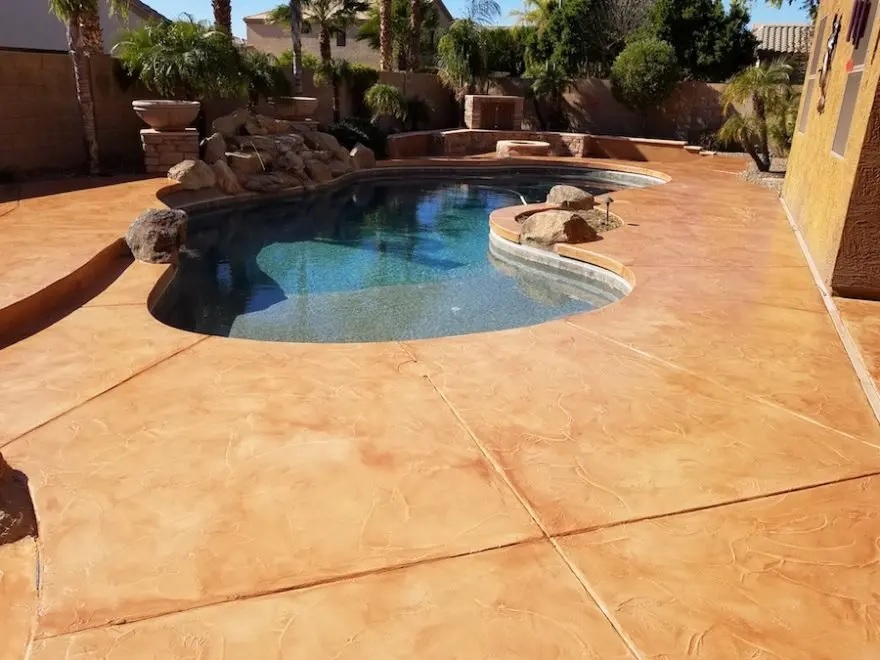
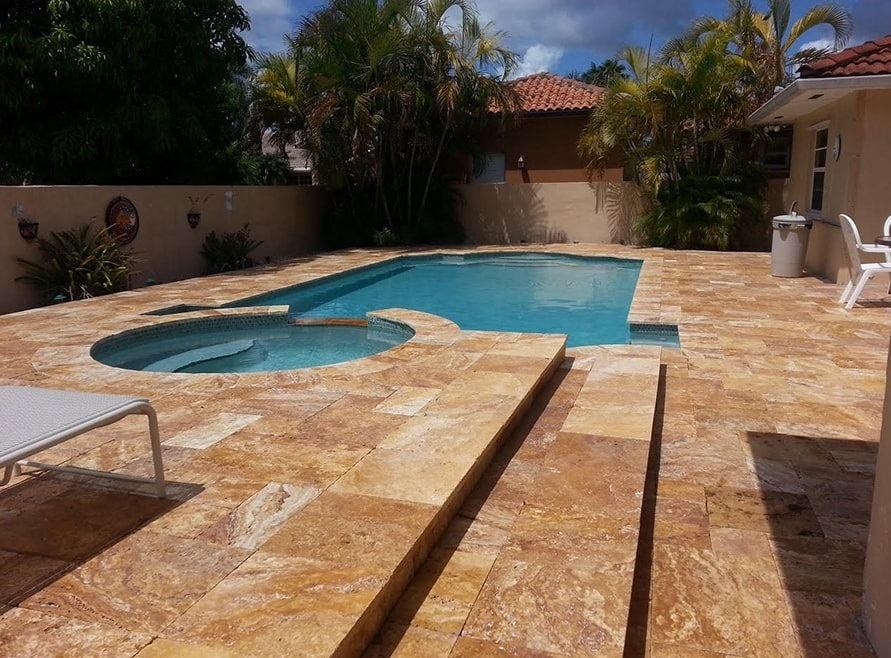
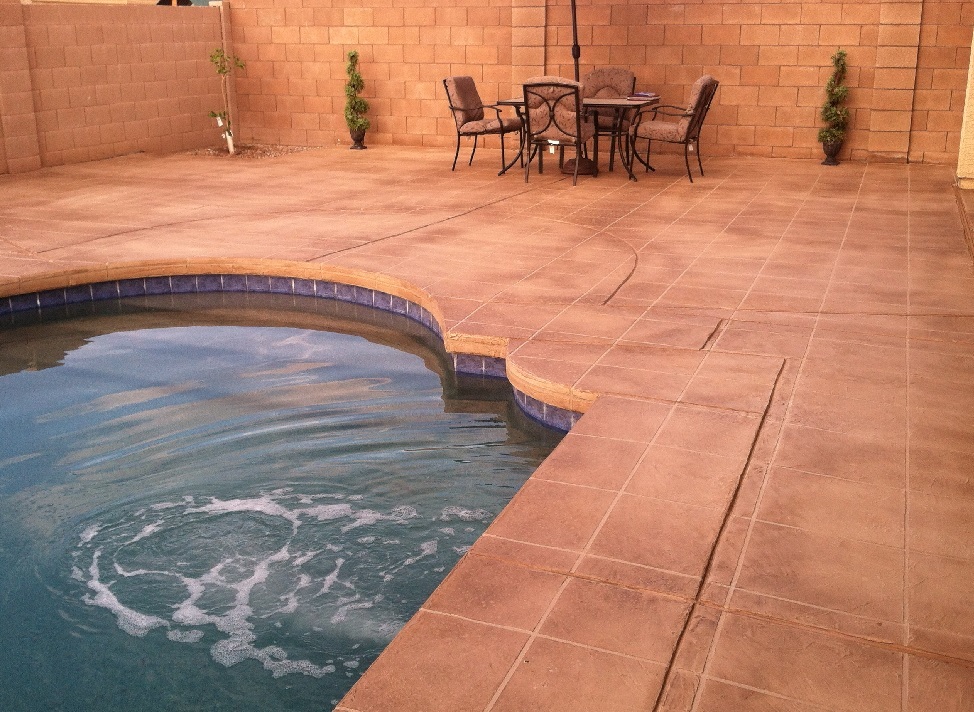
THE FOLLOWING IS INFORMATION FOR ALL THE ASPECTS OF INSTALLING AND MAINTAINING A KOOL DECK FOR YOUR HOME.
KOOL DECK INSTALLATION INFORMATION FOLLOWS. JUST TO LET YOU KNOW THE BASIC REQUIREMENTS, BUT OF COURSE WE HAVE KEPT SOME OF OUR SECRETS, FROM THE LIST. BUT.....THIS TYPE TECHNOLOGY FOR A KOOL DECK INSTALLATION MEETS ALL THE STANDARD REQUIREMENTS FOR AN EXCELLENT FINALIZED PROJECT. YOU JUST HAVE TO KNOW HOW TO MIX IT WITH EXPERTISE.
Advanced Kool Deck INSTALLATION REQUIREMENTS–DESIGN PROVEN formula:
1. Functional design goals:
High solar reflectance (albedo): Use white binders + light, stable mineral pigments for radiative cooling.
Evaporative cooling via controlled porosity: Create a micro‑porous, capillary‑active matrix that can hold and release small amounts of water.
Low thermal inertia at the surface: Use lighter, lower‑density aggregates near the top to reduce heat storage.
Durable, pedestrian‑grade overlay: Maintain compressive strength and abrasion resistance suitable for pool decks and patios.
2. Advanced formulation (by weight % of dry solids): Base binder (≈45–50%).
White Portland cement (Type I or III): 30–35% Label: High reflectance, main hydraulic binder.
Titanium dioxide (TiO₂, rutile grade): 1–3% Label: Strong whitening, high solar reflectance.
Iron oxide pigments (buff, cream, light gray): 1–2% Label: Stable, UV‑resistant color; keep colors light to preserve albedo.
Aim for a creamy, trowelable slurry that can be broom‑finished or sprayed.
3. Application system.
Layering.
Primer coat.
Label: Thin slurry of white cement + acrylic (no lightweight aggregates).
Brush or spray onto clean, roughened concrete: let it become tacky.
Main overlay: (2–4 mm).
Label: Use full advanced mix above.
Apply with trowel or hopper gun: create texture (knock‑down, broom, or skip‑trowel).
Optional top wash.
Label: Very thin, high‑TiO₂, low‑polymer wash to maximize reflectance without sealing pores.
4. Cooling mechanisms in this formula.
Radiative cooling: White cement + TiO₂ + light pigments increase solar reflectance and long‑wave emissivity, lowering peak surface temperature.
Evaporative cooling: DE + lightweight aggregates create interconnected micro‑porosity that absorbs small amounts of water (from splashes, cleaning, humidity) and releases it via evaporation.
Reduced heat storage: Expanded clay/perlite reduce density and thermal inertia near the surface, so the deck heats up less and cools faster.
5. Why this SYSTEM NOW stays as the most popular:
All components are NOW standard, widely known materials (white cement, lime, metakaolin, DE, expanded clay, TiO₂, generic acrylics).
Why is a Kool Deck for a home and swimming pool important to maintain a cool surface?
A Kool Deck (or any acrylic topping designed to stay cool) matters because it solves a very real physics problem: sun‑heated concrete becomes a giant thermal battery. In the Coachella Valley, where your pool deck sits under intense desert sun, untreated concrete can easily reach 140–160°F, hot enough to burn skin in seconds. Kool Deck changes how the surface absorbs, stores, and releases heat.
Heat‑reflective minerals — Kool Deck uses light‑colored cementitious materials that reflect more solar radiation instead of absorbing it. Less absorption = lower surface temperature.
Lower thermal mass — The topping layer is thin and porous, so it doesn’t store heat the way dense concrete does. It warms up slower and cools down faster.
Micro‑texture airflow — The rough, patterned surface increases airflow over the deck. Air moving across micro‑ridges helps dissipate heat.
Evaporative cooling — The porous surface holds tiny amounts of moisture, allowing natural evaporation that drops the temperature several degrees.
Bare‑foot safety — A cooler deck prevents burns, especially for kids, pets, and anyone stepping out of the pool. Usability in extreme heat — In Palm Desert/La Quinta summer conditions, a standard concrete deck becomes unusable midday. Kool Deck keeps the space functional.
Reduced heat radiating into the pool — Hot concrete radiates heat into the water and surrounding air. A cooler deck helps maintain more stable pool temperatures.
Longer material lifespan — Lower thermal stress means fewer cracks, less spalling, and better long‑term performance. Better traction — The textured surface improves grip when wet, reducing slip risk.
Real‑World Numbers (Typical Desert Conditions):
Standard concrete in full sun: 140–160°F.
Kool Deck or similar acrylic topping: 105–125°F.
Difference: 15–35°F cooler, often more when shaded or lightly misted.
That temperature drop is the difference between painful and walkable.
Why It Matters Specifically for Your Property. Given your Coachella Valley location and your focus on optimizing outdoor comfort, The Kool Deck directly supports:
More usable poolside hours during peak heat.
Lower heat load on your pool cooling system.
A safer environment for guests and pets.
A more comfortable surface under pergola shade structures you’re planning.
Here’s a deep, structured breakdown of Kool Deck vs. Modern Acrylic Toppings, best color choices for cooling, and maintenance steps—all tailored to your Coachella Valley climate and your focus on optimizing outdoor comfort and longevity.
1. Material Composition & Heat Behavior:
Kool Deck — A cementitious topping chemically bonded to fresh concrete. It becomes part of the slab, giving it excellent heat reflectivity and low thermal mass.
Acrylic toppings — Polymer‑modified coatings applied over cured concrete. They rely on surface adhesion rather than chemical integration.
2. Surface TemperatureKool Deck: Typically 15–35°F cooler than plain concrete in desert sun. Acrylic: Newer formulas can match or slightly outperform Kool Deck in heat reflectivity, especially in lighter colors.
3. Aesthetic FlexibilityKool Deck: Limited color palette; classic mottled texture. Acrylic: Vast color options, custom patterns, faux stone, geometric scoring, and modern finishes.
4. Installation Kool Deck: Must be applied to fresh concrete—timing is critical.
Acrylic: Can be applied to existing slabs, making it ideal for remodels.
5. Durability & Repairs Kool Deck: Extremely durable but harder to patch invisibly. Acrylic: Easier to repair or recolor; coatings can be refreshed every 5–10 years.
6. Slip Resistance:
Both systems offer excellent traction, but acrylic allows more control over texture.
Coolest Options
White — Maximum reflectivity; coolest possible surface.
Light beige — Very popular in desert climates; blends with landscaping.
Sandstone — Natural look with excellent heat performance.
Pale gray — Modern aesthetic with good reflectivity.
Moderate Options:
Medium gray — Warmer than pale gray but still manageable.
Muted terracotta — Adds warmth visually but absorbs more heat. Avoid in Desert Sun:
Dark gray. . Charcoal.
Deep brown
These can exceed 140°F in full sun.
1. Routine Cleaning:
Gentle pressure washing once or twice a year.
Avoid harsh acids; use mild detergents.
2. Sealing (Acrylic Only)Acrylic deck sealers every 3–5 years maintain color, texture, and heat reflectivity. Kool Deck typically does not require sealing.
3. Crack Management:
Flexible crack fillers prevent water intrusion and slab movement.
Address cracks early to avoid delamination.
4. Stain Prevention
Hose off sunscreen spills, rust, and plant debris quickly.
Acrylic coatings resist stains better than options.
5. Desert-Specific Care:
Occasional misting during extreme heat can drop surface temperature 10–15°F.
Keep sand and grit swept to maintain traction.
Here’s a clear, Coachella‑Valley‑specific cost comparison for pool deck installation—Kool Deck vs. modern acrylic toppings—grounded in what contractors typically charge in La Quinta, Palm Desert, Indio, and Bermuda Dunes. This is structured so you can quickly see where the money goes and which option fits your property goals.
Core Takeaway:
Kool Deck: $6–$10/sq ft (topping only).
Modern Acrylic Toppings: $7–$14/sq ft.
New concrete slab (if needed): $8–$12/sq ft.
Stamped concrete (for comparison): $10–$18/sq ft.
Kool Deck is usually cheaper when pouring new concrete.
Acrylic is usually cheaper when resurfacing an existing slab.
Kool Deck Installation Costs (Coachella Valley)Typical Range:
Kool Deck cost: $6–$10/sq ft.
New slab + Kool Deck: $14–$22/sq ft total. Why prices vary:
Must be applied to fresh concrete → tight timing increases labor cost.
Avoiding slab replacement. Color Choice Cost Impact:
Color affects both temperature and price.
Coolest (and usually cheapest).
White.
Light beige.
Sandstone.
Pale gray. These use standard pigments → lower cost and best cooling:
Warmer (slightly more expensive)Terracotta.
Medium gray.
Avoid in desert sun:
Charcoal.
Dark brown.
Black. These can raise surface temps 20–40°F and increase pigment cost 10–20%:
Maintenance Cost Comparison, Kool Deck:
Annual cleaning: $150–$300.
Repairs: $4–$8/sq ft.
No sealer required.
Resurfacing rarely needed.
Acrylics:
Annual cleaning: $150–$300
Sealer every 3–5 years: $1.50–$3/sq ft
Repairs: $3–$6/sq ft
Recoloring: $2–$4/sq ft
What This Means for Your Property in the Coachella Valley: Given your climate and your focus on comfort + solar efficiency: If your slab is new or being replaced, Kool Deck is the most cost‑effective and coolest option.
If your slab is in good condition, acrylic is cheaper because you avoid demolition.
Light colors will reduce surface temps 10–20°F and lower heat load on your pool and pergola area.
"Transform your UN-CLEAN concrete landscape into a stunning, durable resort-style deck. With our premium Kool Deck Cleaning Sanitary finishes, you’ll increase your property’s value while enjoying a cooler, more stylish KOOL DECK environment. Get the look of luxury that lasts for years. Call Vidales Kool Deck Services today, to schedule your transformation to a much cleaner and much more sanitary ENVIRONMENT and start living the real backyard dream"
CONTACT US AT......
Telephone: 760-269-5671
Email: wilcoxkooldeck@gmail.com
Office: BERMUDA DUNES
WILCOX KOOL DECK GROUP IS A DIVISION OF WILCOX ENTERPRISES, A GENERAL CONTRACTOR IN THE COACHELLA VALLEY SINCE 1996.
WHAT IS THE HISTORY OF MODERN KOOL DECK INSTALLATIONS AND TECHNOLOGY.
The history of modern Kool Deck installations spans over six decades, evolving from a highly specialized, climate-specific cementitious formula into advanced acrylic and hybrid polymer coatings. While "Kool Deck" is a proprietary trademarked product invented by Mortex in 1962, the term "cool deck" has expanded in modern industry language to describe any non-slip, heat-reducing pool deck overlay.1962:
The Invention of Keystone Kool Deck:
The swimming pool industry was revolutionized in 1962 when Max Deason, founder of Mortex Manufacturing in Tucson, Arizona, invented Keystone Kool Deck®. Before this invention, pool decks consisted entirely of standard broom-finished concrete or wood, which absorbed extreme heat and burned swimmers' feet.
The Secret Material: The original formula was a natural, cement-based overlay composed of ground marble aggregate, white cement, and iron oxide pigments. Because natural marble inherently resists heat retention, it lowered the surface temperature of concrete pool decks by approximately 20 degrees Fahrenheit.
The "Knock-Down" Texture: To create traction and minimize sun exposure, installers created a "splash" or "stipple" finish. They flung the wet mixture onto the deck and lightly smoothed it over with a trowel just as it began to set. This created flat peaks with recessed valleys—a design now known globally as a knock-down finish.
The Traditional Installation Era (1960s – 1990s)For decades, installing an authentic Kool Deck required impeccable timing and specialized masonry training.
The "Wet-on-Wet" Bond: True Kool Deck had to be applied directly onto freshly poured, uncured base concrete. This allowed the overlay and the concrete base to chemically cure together as one unified slab, protecting it against peeling.
High Failure Risks: Because it relied on the moisture of the fresh concrete, weather variables like humidity, wind, and clay soils could unevenly draw moisture out of the mix. If the timing was off by even an hour, the overlay would fail to bond, leading to extensive delamination and cracking.
The Shift to Acrylic Overlay Technology (Mid-1990s – 2000s)By the mid-1990s, the pool industry began shifting heavily toward acrylic concrete overlays. Acrylic products were created to solve the stressful installation constraints of traditional cementitious Kool Deck.
Post-Cure Flexibility: Unlike original Kool Deck, acrylic coatings could be sprayed onto existing, fully cured concrete weeks, months, or years after it was poured. This eliminated the time crunch of working with fresh concrete.
Enhanced Adhesion: Resins and polymer modifiers allowed the acrylic coating to mechanically grip older concrete slabs, dramatically reducing structural installation failures.
Simplified Coloring: Instead of mixing raw pigments into wet cement on-site, installers could apply a textured base layer and seal it with a colored, UV-resistant acrylic topcoat for absolute color uniformity.
Modern Installation and Technology Trends (Present Day)
Modern pool deck technology seamlessly balances the thermal performance of traditional materials with advanced chemical engineering.
Hybrid Cement-Polymer Formulas: Modern premium lines, such as a Company's Designer Colors, combine traditional heat-deflecting marble aggregates with performance polymers. This provides the superior coolness of old-school Kool Deck alongside the flexibility and crack resistance of modern systems.
Modern DIY & Sprayer Advancements: Historically applied with hand-held dash brushes, modern overlays are applied using high-efficiency hopper guns or commercial texture sprayers (such as Graco RTX systems). Retail-friendly DIY coatings, like Encore's COOL!, allow homeowners to mix water-based resins directly with local retail exterior paint, squeegee it on, and roll out a textured finish easily.
Stamping and Aesthetics: While the classic mottled-beige look defined the 20th century, modern "Kool Deck Elite" and micro-topping systems can be coupled with stencils and stamping technology. This allows the deck to safely mimic premium textures like travertine, slate, stone, or granite while retaining its signature heat-reflective properties.
THERE ARE NO MORE REAL SECRETS AND TECHNOLOGY ANYMORE, IN CREATING A BASIC FIRST CLASS KOOL DECK RESURFACING INSTALLATION. AND YES, THERE WILL ALWAYS BE A POSSIBILITY OF IT OCCURING, BUT WILL YOU PAY THE MUCH HIGHER EXTRA PRICE FOR A MINOR IMPROVEMENT?